
Not All Emotional Distress Is Workplace-Caused
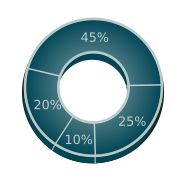
In employment litigation, plaintiffs often present emotional distress as a singular consequence of workplace conduct. However, psychological symptoms are rarely mono-causal.
Anxiety, depression, and PTSD frequently reflect:
- Pre-existing vulnerabilities
- Prior trauma
- Personality factors
- Medical conditions
- Life stressors unrelated to employment
Apportionment analysis separates workplace impact from pre-existing conditions. For defense counsel, this distinction can materially reduce damages exposure.
What Is Apportionment?
Apportionment is the structured allocation of psychological symptoms across contributing factors.
It asks:
- What percentage of symptoms existed before employment events?
- What portion is attributable to workplace conduct?
- What portion reflects non-work stressors?
Without apportionment, damages are treated as entirely workplace-caused.
Why Apportionment Is Legally Significant
Courts recognize that defendants are responsible only for harm caused by their conduct.
A plaintiff with:
- Prior depressive episodes
- Anxiety disorder history
- Childhood trauma
- Prior workplace conflict
requires careful differentiation. Defense counsel must avoid overreach while insisting on structured causation analysis.
Establishing Baseline Functioning
Apportionment begins with baseline reconstruction:
- Prior therapy records
- Medication history
- Primary care documentation
- Employment history
- Functional capacity before alleged conduct
Baseline is not inferred, it is documented.
The Role of Medical and Psychiatric Records
Complete record review often reveals:
- Prior diagnoses
- Prior disability leaves
- Unrelated stressors
- Medication non-compliance
- Pre-existing impairment
Incomplete records distort apportionment.
Psychological Testing and Apportionment
Validated testing contributes to:
- Severity assessment
- Personality structure
- Symptom validity
- Functional capacity
Testing does not determine percentage allocation alone, but it informs structured opinion.
Alternative Contributing Factors Common in Employment Cases
- Divorce or relationship dissolution
- Caregiver burden
- Chronic medical illness
- Financial stress
- Immigration stressors
- Pandemic-related anxiety
Failure to consider these factors weakens defense analysis.
The Strategic Impact on Settlement
A strong apportionment opinion can:
- Reduce projected jury award
- Undermine catastrophic damage narratives
- Clarify temporary vs. chronic impact
- Improve mediation leverage
- Support reasoned negotiation
Defense posture strengthens when exposure is quantified.
Ethical and Forensic Integrity
Apportionment must be:
- Evidence-based
- Methodologically defensible
- Clearly explained
- Free from advocacy tone
Overstating apportionment harms credibility. Balanced analysis enhances persuasive impact. Psychological damages in employment litigation are rarely attributable to a single source. Apportionment analysis ensures that defendants are responsible only for workplace-caused harm, not lifetime psychological history. For defense attorneys, this distinction can materially shift case valuation. If your employment case involves pre-existing mental health history or complex emotional distress allegations, apportionment analysis may significantly reduce exposure. I provide structured, defensible apportionment opinions grounded in comprehensive record review and validated forensic methodology. Contact my office to discuss your matter.